

Why Does Rest Feel Like Punishment? Religious Trauma Therapy in St. Paul on the Productivity Trap
There are many people who can sit still in a room and yet never truly feel at rest.
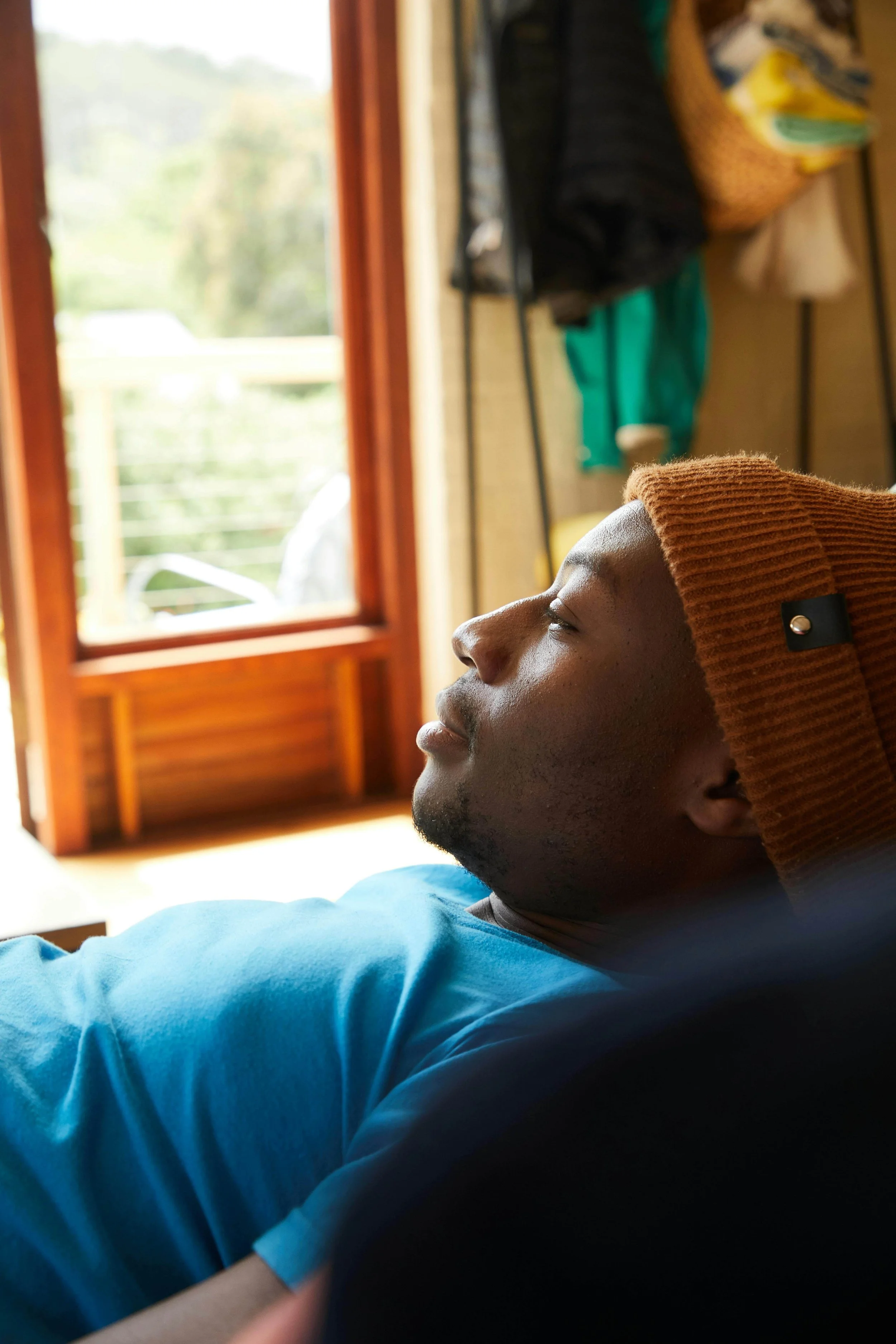
Their body is on the couch, but their nervous system is still bracing. Their mind keeps scanning for what they forgot, what they should be doing, what they are falling behind on, or who they are disappointing. A free afternoon can feel strangely intolerable. A vacation can create anxiety instead of relief. Even moments that are supposed to restore them can leave them feeling guilty, exposed, or ashamed.
For many people healing from religious trauma, rest does not feel nurturing. It feels dangerous.
Sometimes it even feels like punishment.
Not because rest itself is harmful, but because somewhere along the way, they learned that slowing down meant becoming selfish, lazy, indulgent, weak, sinful, or spiritually compromised. They learned that productivity was tied to morality. That exhaustion meant devotion. That constant service proved love. That worth had to be earned over and over again.
In religious trauma therapy, we often discover that the struggle with rest is not actually about laziness or poor time management. It is about survival. It is about a nervous system shaped inside environments where performance, sacrifice, obedience, and usefulness became intertwined with safety, belonging, and identity.
And when that happens, rest can begin to feel emotionally unbearable.
When Productivity Becomes Moral
Many high-control religious systems place a deep emphasis on self-sacrifice, discipline, purity, and service. On the surface, some of these values may sound admirable. But in unhealthy or rigid systems, these ideas can quietly become disconnected from humanity, embodiment, and emotional reality.
People begin to internalize messages like:
“Idle hands are dangerous.”
“Your value comes from serving others.”
“You should always be improving yourself.”
“Rest is selfish when there is work to do.”
“If you are struggling, you just need more discipline.”
“God is always watching.”
“You must be productive to be worthy.”
Over time, the nervous system absorbs these ideas not merely as beliefs, but as physiological truths.
This is part of what trauma researchers increasingly understand: the body learns environments long before the conscious mind fully understands them. Psychiatrist Bessel van der Kolk writes extensively about how trauma reshapes the nervous system’s relationship to safety, regulation, and embodiment in The Body Keeps the Score. The body begins organizing around anticipation, vigilance, and adaptation.
For Many Survivors of Religious Trauma, Productivity Becomes One of Those Adaptations.
If I stay useful, maybe I stay safe.
If I keep performing, maybe I stay loved.
If I keep achieving, maybe I avoid criticism, rejection, or shame.
This is one reason rest can feel so emotionally loaded. Rest interrupts the survival strategy. A religious trauma therapist understands that guilt after rest isn't a character flaw—it's your nervous system responding to the interruption of a strategy that once kept you safe.
And when survival strategies are interrupted, the nervous system often interprets that interruption as threat.
The Nervous System Does Not Easily Trust Stillness
Many people assume burnout comes from doing too much. But often burnout comes from never being allowed to simply exist without earning your place.
That distinction matters.
In therapy, I often see people who intellectually know they are allowed to rest, yet their body reacts to rest with anxiety, numbness, irritability, or guilt. The moment they stop moving, unresolved fear rises to the surface.
Sometimes people describe this as feeling “lazy” when they sit down. But beneath that word is often terror.
Terror of disappointing others.
Terror of becoming “bad.”
Terror of being perceived as selfish.
Terror of losing identity.
Psychotherapist Gabor Maté has written extensively about the connection between chronic stress, people-pleasing, overfunctioning, and trauma adaptation. Many individuals who grew up in environments where love felt conditional learned to disconnect from their own limits in order to maintain attachment and approval.
Religious trauma can intensify this dynamic because the pressure is often framed not only socially, but spiritually. The fear is no longer merely “people will reject me.” The fear becomes “I am failing morally,” or even, “I am failing God.”
That creates enormous internal pressure.
Especially for sensitive, conscientious, empathetic people.
Why Rest Can Feel Empty Instead of Restorative

One of the painful realities of healing is that when productivity slows down, grief often becomes audible.
Many people who leave high-control religious systems discover that they do not actually know what they enjoy. They know how to perform. They know how to caretake. They know how to achieve. But they do not know how to inhabit themselves.
When constant productivity quiets, there is suddenly space to feel:
loneliness
anger
exhaustion
identity confusion
sadness over lost years
disconnection from the body
This is part of why people sometimes unconsciously return to overworking, overhelping, or overcommitting. Productivity becomes a way to avoid emotional exposure. Religious trauma therapy in St. Paul creates space to slowly turn toward what productivity has been protecting you from, without forcing exposure before you're ready.
In this sense, the productivity trap is not simply cultural. It is protective.
The therapist Tara Brach often speaks about the trance of “never enough.” Many survivors of religious trauma live inside this trance for years. They carry the feeling that they must continually justify their existence through usefulness.
Even joy can start to feel transactional.
You can only rest after you earn it.
You can only enjoy yourself once everything is complete.
You can only slow down if nobody needs you.
But the finish line keeps moving.
The Body Was Never Meant to Live This Way
Human beings are cyclical by nature. We are not machines designed for endless output.
The nervous system requires rhythms of activation and restoration. Research on stress physiology consistently shows that chronic hypervigilance and overwork contribute to anxiety, depression, emotional dysregulation, sleep disturbance, immune dysfunction, and burnout. Stephen Porges, developer of Polyvagal Theory, emphasizes that safety and connection are foundational for nervous system regulation. Rest is not a luxury added after productivity. It is part of how humans remain emotionally and physically functional.
But many trauma survivors learned to override their body’s signals.
They learned to mistrust fatigue.
To suppress hunger.
To push through pain.
To ignore emotional overwhelm.
To spiritualize exhaustion.
Sometimes people even feel proud of how much they can endure.
Until the body eventually stops cooperating. Working with a religious trauma therapist helps you recognize that your body stopping isn't failure—it's information about what's been unsustainable all along.
This is often the moment people finally seek therapy. Not because they suddenly became weak, but because their nervous system has been carrying impossible weight for too long.
Healing the Productivity Trap in Religious Trauma Therapy
Healing does not usually begin with forcing yourself to “relax better.”
For many people, that simply creates more shame.
Healing often begins more gently than that.
It begins with curiosity.
Why does slowing down feel unsafe?
What messages did I internalize about rest?
Who benefited from my constant self-abandonment?
What emotions emerge when I stop producing?
What would it mean if I no longer had to earn my worth?
These are profound questions.
In religious trauma therapy, we often work slowly with the nervous system rather than against it. Approaches informed by somatic therapy, attachment theory, Internal Family Systems, and trauma research can help people rebuild a relationship with safety, embodiment, and self-trust.
This may include learning to notice bodily cues again. Practicing boundaries without shame. Exploring grief around identity and belonging. Reconnecting with creativity, pleasure, play, and rest without moral condemnation.
Sometimes rest begins very small.
Five minutes without multitasking.
Sitting outside near the trees at Como Park without needing to optimize the moment.
Listening to music without turning it into productivity.
Allowing your body to exhale without immediately apologizing for it.
These moments may sound simple. For trauma survivors, they are often revolutionary.
You Do Not Have to Earn Your Humanity

One of the deepest wounds religious trauma can create is the belief that your worth is conditional.
Conditional on goodness.
Conditional on usefulness.
Conditional on sacrifice.
Conditional on never needing too much.
But healing slowly invites a different possibility.
That you are already human before you achieve anything.
That exhaustion is not failure.
That rest is not moral weakness.
That your body is not a machine built for endless extraction.
That you deserve care even when you are not producing.
For many people, this realization does not arrive all at once. It unfolds gradually, often with grief alongside it. Because learning to rest sometimes means confronting how long you lived without permission to simply be.
And yet this work matters deeply.
Because eventually, healing is not only about leaving harmful systems behind. It is about building an internal life where you no longer have to abandon yourself in order to feel worthy.
CAN RELIGIOUS TRAUMA THERAPY IN ST. PAUL, MN, HELP YOU REST WITHOUT THE GUILT?
Your body is on the couch, but your nervous system is still bracing. A free afternoon creates anxiety instead of relief. You sit down and immediately feel guilty, lazy, or like you're disappointing someone—not because rest is actually wrong, but because somewhere along the way you learned that slowing down meant becoming selfish, spiritually compromised, or morally weak. For many people healing from religious trauma, productivity became the survival strategy: if I stay useful, maybe I stay safe; if I keep performing, maybe I stay loved. And when that strategy gets interrupted by rest, the body doesn't interpret it as safety—it interprets it as threat. At NobleTree Therapy, our religious trauma therapists in St. Paul & throughout Minnesota work with people whose nervous systems still believe that worth must be earned through constant output, helping you understand why rest feels dangerous instead of restorative, and slowly rebuilding the capacity to exist without needing to justify your place.
Let's connect—schedule a free consultation
Learn more about religious trauma therapy at NobleTree
Rest isn't something you earn. Sometimes, learning to believe that is the work.
OTHER THERAPY SERVICES OFFERED AT NOBLETREE THERAPY IN ST. PAUL, MN
Religious trauma therapy in St. Paul, MN, is one way we help people untangle worth from productivity, but it's far from the only one. Many of our clients are also working through identity questions in LGBTQIA+ affirming therapy, navigating relational patterns in somatic couples therapy, exploring who they are beyond performance in identity development therapy, or processing losses that don't fit into neat categories of grief. What ties this work together is a shared recognition: that rest isn't a reward for achievement, and healing doesn't happen by replacing one form of self-abandonment with another.
We work with people whose bodies still brace when they sit down, who feel guilty during vacations, and who keep themselves busy to avoid what stillness might reveal. Whether you're discovering that exhaustion isn't devotion, learning to tolerate unproductive moments without panic, or recognizing that your nervous system equates rest with danger, our therapists create space for the slow, embodied work of rebuilding safety around doing nothing. This isn't about optimizing your downtime or becoming better at self-care. It's about your body learning that slowing down doesn't mean you're about to lose everything that once kept you safe.
ABOUT THE AUTHOR

Kendra Snyder, MA, LMFT, NCC (she/her) is the founder of NobleTree Therapy and a licensed trauma therapist serving Minnesota and Colorado. She knows what it's like to sit down for five minutes and feel your body interpret that stillness as failure—to watch a free afternoon trigger more anxiety than relief, and to carry the quiet belief that rest is something you have to earn rather than something you're allowed to need.
Kendra's religious trauma therapy in St. Paul, MN, works with people who intellectually understand they're allowed to rest but whose bodies respond to slowing down with guilt, shame, or panic. She understands that this isn't poor time management or laziness—it's a nervous system response learned in environments where productivity was tied to morality and exhaustion was framed as devotion. Her approach helps people notice when the urge to stay busy is actually their body avoiding the emotional exposure that stillness brings, and how to rebuild safety around rest without forcing it or pathologizing the resistance. Her practice serves people who are burned out from constantly justifying their existence through usefulness, who recognize they're stuck in the productivity trap but can't seem to stop, and who are ready to build something different—not perfect work-life balance, but a body that no longer treats rest as a threat to survival.